














Every day, each of us breathes air polluted with countless harmful emissions, consumes foods loaded with chemical additives such as preservatives, nitrates, and artificial coloring, takes medications, and is exposed to toxins. A significant portion of society smokes cigarettes, and many consume alcohol in varying amounts and frequencies. All these factors contribute to the accumulation of toxins and harmful substances in our bloodstream in ever-increasing amounts.
Your liver—the largest organ in the human body—is like an internal filter, performing a vital detoxification function. It processes the entire volume of blood circulating in your body approximately 400 times per day, neutralizing toxins and harmful substances, and keeping your body healthy.
Understanding Liver Enlargement and Its Causes
One of the most common symptoms indicating liver problems is liver enlargement (hepatomegaly). This can be caused by a variety of underlying issues, including:
Dystrophy (degeneration) of liver cells
Formation of fibrotic (scar) areas within the liver
Heart failure leading to blood congestion in the liver
Blood clots or congestion in the liver caused by various diseases
Focal damage to the liver such as cysts or abscesses
In Georgia, fatty liver disease (steatosis) is among the most widespread liver conditions, and there has been a notable increase in hepatitis C cases.
What is Fatty Liver Disease (Steatosis)?
Fatty liver disease occurs when fat accumulates excessively within liver cells. Several factors can contribute to this condition, including:
Excessive alcohol consumption
Diabetes mellitus
Obesity
Poorly balanced nutrition
Chronic gastrointestinal diseases
Exposure to hepatotoxic substances, including certain medications
People suffering from fatty liver often experience the following symptoms:
Headaches
Fatigue and low energy levels
Dull pain under the right rib cage
Nausea and abdominal bloating
Constipation or diarrhea
The Best Approach to Treat Fatty Liver
The most effective way to treat fatty liver disease is to stop consuming alcohol altogether and adopt a balanced, healthy diet. It is essential to reduce fat intake, particularly fats of animal origin. Recommended foods include:
Low-fat dairy products such as cottage cheese
Buckwheat
Oatmeal (Hercules brand is popular)
Whole wheat products
Plenty of fruits and vegetables
In addition to dietary changes, supplementation with B vitamins and folic acid is advised to support liver regeneration and overall metabolic health.
Natural Homemade Remedies for Liver Health
Here are some effective traditional remedies you can prepare at home to help cleanse and heal your liver naturally:
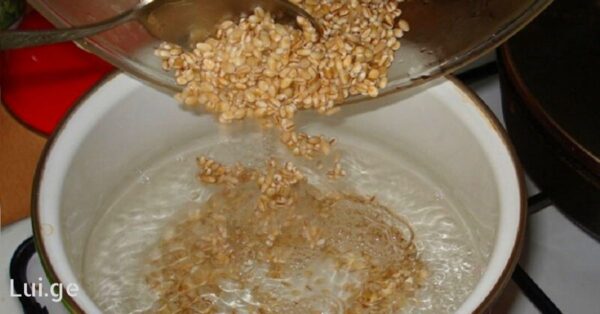
1. Barley Decoction
Take 3 kilograms of barley, clean it thoroughly, and soak it in 6 liters of water for 2 hours.
Place the soaked barley in a pot and simmer gently on low heat until the water reduces to about 2 liters.
Remove from heat and let it cool. Then strain the liquid and squeeze the barley to extract all the juice.
Drink 1/4 cup of this barley decoction three times daily, about an hour before meals.
Barley supports liver detoxification and promotes digestion, making it an excellent remedy for fatty liver and general liver cleansing.
2. Anise and Mint Herbal Infusion
Mix 1/2 teaspoon of crushed anise seeds with an equal amount of crushed mint leaves.
Pour 300 milliliters of boiling water over the herbs and steep for 30 minutes.
Strain the infusion and drink it warm in small sips.
If you have difficulty digesting fatty foods regularly, it’s best to take this infusion before meals. Both anise and mint aid digestion, relieve bloating, and soothe the gastrointestinal tract.
3. Saffron and Honey Liver Tonic
Boil 100 saffron heads (flowers) in 3 liters of water along with half a kilogram of sugar for 10 minutes.
After cooling, strain the mixture through cheesecloth.
Add 1 kilogram of natural honey and mix thoroughly.
Add 10 ampoules of high-dose glucose solution and stir well.
Take this tonic three times a day with a wine glass (about 100 ml), approximately 30 minutes before meals. This natural remedy helps improve liver function, boosts energy, and supports recovery.
4. Herbal Tea with Yarrow and Nettle Leaves
Take 2 tablespoons of yarrow and 1 tablespoon of crushed nettle leaves.
Pour 2 cups of boiling water over the herbs and boil for 2 minutes in a covered, enameled pot.
Remove from heat, cool, and strain.
Drink 100 milliliters of this herbal tea three times daily. After starting the remedy, you may notice increased urination—this is normal and a sign that toxins are being flushed from the body. The recommended course lasts for 3 weeks, with a break of 1–2 weeks before repeating if necessary.
Why You Should Care About Your Liver
The liver’s crucial role in filtering and detoxifying your blood cannot be overstated. When the liver becomes diseased or overloaded, it struggles to keep up with the toxins accumulating in your body, leading to a wide range of symptoms and diseases. Maintaining liver health is key to overall wellness, immune support, and energy levels.
By adopting a healthy lifestyle, avoiding harmful substances, and utilizing natural remedies like those described above, you can support your liver’s ability to cleanse your body and regenerate itself.
Final Recommendations
Avoid alcohol and reduce intake of processed foods and saturated fats.
Incorporate more fresh fruits, vegetables, whole grains, and lean proteins into your diet.
Use herbal remedies consistently as complementary support for liver health.
Stay hydrated by drinking plenty of water daily.
Engage in regular physical activity to promote circulation and metabolism.
Consult a healthcare professional for personalized advice and monitoring, especially if you have existing liver conditions or other health concerns.
By understanding the vital importance of your liver and taking proactive steps to protect and heal it, you can significantly improve your quality of life and prevent serious health complications. Natural plants and traditional remedies have long been a trusted aid in maintaining liver health, and now you can benefit from their healing power as well.
Take care of your liver—it works tirelessly every day to keep you healthy!








































