







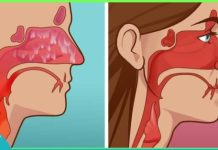



Sinusitis, also commonly known as rhinosinusitis, is a widespread condition, particularly during cold weather and allergy seasons. Many people experience discomfort from this condition, which occurs when the sinuses—the air-filled cavities located within the bones of the face, including the forehead, cheeks, and around the nose—become inflamed or blocked. Normally, sinuses are filled with air, and mucus drains freely, helping to keep the nasal passages clear. However, when sinusitis develops, the flow of air and mucus is restricted, causing discomfort, pressure, and difficulty breathing.
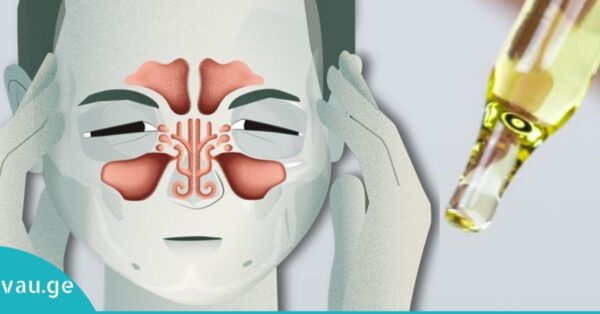
The causes of sinusitis can vary widely. Some of the most common triggers include fungal infections, viral infections, bacterial infections, dental problems, tobacco use, and allergic reactions. Each of these factors can lead to inflammation, mucus buildup, and blockage of the sinus passages. Identifying the root cause is important because it can help determine the most effective approach to relief and prevention.
Symptoms of sinusitis typically depend on the severity of the condition but often include:
Pain or pressure in the forehead, cheeks, or around the nose
Persistent nasal discharge
Difficulty breathing through the nose
Redness or swelling in the nasal area
Fatigue and general malaise
Tooth pain while chewing
Loss of sense of smell
Cough, which often worsens at night
These symptoms can range from mild to severe and may significantly affect daily life, especially if left untreated. Fortunately, there are several natural and practical methods to alleviate sinusitis symptoms and improve comfort. Below are seven of the most effective techniques to relieve sinusitis:
1. Steam Inhalation
Inhaling steam is a simple yet highly effective method to relieve sinus congestion. This can be done during a hot shower, by breathing in steam from a bowl of hot water, or with the addition of certain herbs or essential oils, such as eucalyptus, which has natural antiseptic properties. Steam helps loosen the mucus trapped in the sinuses, making it easier to expel. The warmth also soothes inflamed tissues and reduces pressure in the nasal passages, providing immediate relief. Regular steam inhalation can help maintain clear airways and prevent the buildup of excess mucus.
2. Herbal Infusions
Drinking warm herbal teas can help moisturize the nasal mucosa, relieve sinus pressure, and soothe irritation in the throat. Heat encourages circulation and promotes the expulsion of mucus. One particularly effective infusion for respiratory support is made from mallow flowers, which act as a natural expectorant and help ease coughing. To prepare the infusion, place two tablespoons of dried mallow flowers in two liters of boiling water, allow it to steep, and drink the warm beverage. Herbal teas not only hydrate but also provide gentle support to the immune system, which is essential during sinus infections.
3. Saline Solution
Rinsing the nasal passages with a saline solution helps remove excess mucus, reduces swelling, and moisturizes the nasal lining. This simple procedure can significantly improve airflow and relieve pressure in the sinuses. To perform a saline rinse, place the solution in a syringe or dropper, tilt your head slightly to one side, and gently pour it into one nostril. The solution will flow out through the opposite nostril. Repeat the process on the other side. Performing this rinse two to three times a day can effectively keep the sinuses clear and prevent congestion from worsening.
4. Adequate Sleep
Getting 7–8 hours of sleep per night is crucial for recovery and immune system support. Elevating the head with two pillows while sleeping can help reduce nasal congestion and facilitate easier breathing. Additionally, using a humidifier in the bedroom can maintain optimal air moisture, preventing the nasal passages from drying out during sleep. Proper rest allows the body to repair itself, strengthen immunity, and recover from inflammation caused by sinusitis.
5. Garlic Nasal Drops
Garlic is a natural antibiotic known to help alleviate the symptoms of sinusitis. To prepare garlic nasal drops, finely crush one clove of garlic and mix it with four tablespoons of water in a pipette or dropper. Place 10 drops into each nostril once or twice a day. The antimicrobial properties of garlic may help reduce infection, while its natural compounds support immune function and promote sinus clearance. However, care should be taken to avoid irritation, and this remedy should be used with caution, especially for sensitive nasal tissue.
6. Stay Hydrated
Drinking plenty of fluids is essential for thinning mucus and promoting better drainage from the sinuses. Water, herbal teas, and broths help maintain hydration and reduce the accumulation of thick mucus that can block the sinuses. Proper hydration supports the natural cleansing mechanisms of the nasal passages and paranasal sinuses, allowing excess secretions to be expelled more efficiently. Over time, regular fluid intake can prevent the recurrence of congestion and reduce sinus pressure.
7. Balanced Diet
Food can play a role in sinus health. Certain foods may trigger allergic reactions or increase inflammation, contributing to sinus congestion. Eliminating such foods from the diet may be an effective preventive measure against sinusitis. Additionally, consuming natural foods rich in antioxidants can strengthen the immune system, helping the body resist infections that may lead to sinusitis. Vitamins A, B, and C are particularly important, as they support mucosal health, enhance immune function, and promote recovery from inflammation. Maintaining a balanced diet ensures the body receives the nutrients it needs to combat sinus issues and reduce the likelihood of chronic problems.
Implementing these seven techniques can provide significant relief from sinusitis symptoms. For mild cases, these strategies may even resolve the condition entirely. However, in more severe or persistent cases, it is essential to consult a healthcare professional. Early and consistent care is critical to prevent sinusitis from developing into a chronic issue, which can be more difficult to manage and may lead to further complications.
By combining natural remedies, proper hygiene, adequate rest, hydration, and a balanced diet, individuals can improve sinus health, reduce discomfort, and promote overall respiratory wellness. These approaches offer practical, accessible ways to manage sinusitis at home while supporting the body’s natural healing processes. Regular attention to sinus care can make a noticeable difference in daily comfort, energy levels, and quality of life.