









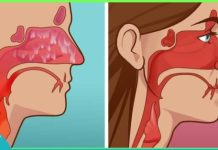





How does body contamination occur? It is well understood that the digestive system is the primary source of waste formation in the body, and this is not surprising, since the digestive system processes food in order to provide a person with vital energy. During this processing, the formation of waste products is inevitable.
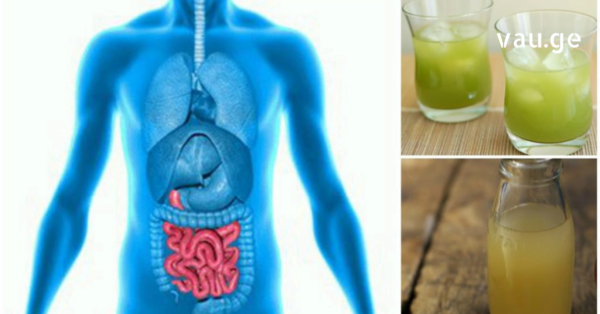
The body eliminates waste products with the help of a drainage system, which consists of the venous part of the capillaries and the lymphatic system. This system absorbs metabolic byproducts and ensures their further processing and neutralization in the liver, kidneys, and lymph nodes. When this system functions efficiently, metabolic waste is removed in a timely manner, and the internal environment of the body remains relatively clean and balanced.
Now imagine the following situation. You are in the forest and need to light a fire to cook food. In other words, you must use fire to generate energy for preparing a meal. From experience, you know that lighting a fire is easy when there is a sufficient supply of oxygen in the air and gasoline, dry wood, or another flammable material. Under such conditions, the fire burns steadily and efficiently.
But let us assume that the fire is already burning and suddenly begins to fade. What is the first thing you do? You add more fuel. As a result, the fire continues to burn actively, and at the end of the combustion process, very little waste remains—just small particles of ash. However, if you do not add fuel, the fire will eventually go out, leaving behind large amounts of unburned material, such as charcoal.
The same principle applies to the human body. If the digestive system does not fully process food, large amounts of metabolic waste remain. These waste products are much harder for the drainage system to eliminate. Proper digestion requires the coordinated action of enzymes and hormones. Enzymes cannot function effectively without hormones, because hormones activate and regulate digestive processes. In turn, the production of hormones in the endocrine system largely depends on a person’s psycho-emotional state.
When a person experiences chronic stress, anxiety, fear, or emotional tension, the endocrine system may begin to function improperly. Hormonal imbalance disrupts enzyme activity, which negatively affects digestion and nutrient absorption. As a result, food is not fully broken down, and instead of being converted into energy, it turns into waste that accumulates in the body.
Over time, this accumulation leads to what is often described as “body contamination.” This does not refer to dirt in a literal sense, but rather to the buildup of metabolic byproducts, toxins, and partially processed substances in tissues, organs, and intercellular fluids. Such accumulation creates favorable conditions for inflammation, stagnation, and the development of various functional disorders.
Let us now summarize and examine in more detail the main causes of body contamination.
1. Psycho-emotional disturbances
Psycho-emotional disorders are one of the most significant factors contributing to body contamination. Chronic stress, emotional instability, unresolved psychological conflicts, anxiety, and depression can all lead to hormonal imbalance. Hormones play a key role in regulating digestive secretions, enzyme activity, intestinal motility, and the overall functioning of the gastrointestinal tract.
When hormonal balance is disrupted, enzyme activity weakens. As a result, food is not properly broken down in the stomach and intestines. Additionally, prolonged stress negatively affects the nervous system, which controls the entire digestive process. Disturbances in the nervous system can lead to spasms, reduced peristalsis, or, conversely, excessive intestinal activity, all of which impair digestion.
Over time, these changes cause a decline in the functional capacity of the entire gastrointestinal tract. Poor digestion leads to the accumulation of waste products, which overload the drainage system and contribute to internal contamination of the body.
2. Disturbance of acid–base balance
The acid–base balance of the body is another crucial factor influencing digestion and metabolic processes. Digestive enzymes function only within a specific pH range. When the acid–base balance is disturbed, enzyme activity decreases significantly.
For example, insufficient stomach acidity interferes with the breakdown of proteins, while excessive acidity can irritate the mucous membranes of the stomach and intestines. In the intestines, an imbalanced pH can disrupt the intestinal microflora, leading to fermentation, gas formation, bloating, and the production of toxic byproducts.
All of these processes negatively affect the quality of digestion and absorption of nutrients. Instead of being transformed into energy and building materials for cells, food residues become sources of toxins and waste. Over time, this contributes to the contamination of the internal environment of the body.
3. Influence of cosmic radiation and magnetic storms
Certain types of cosmic radiation, particularly magnetic storms, can affect cell membranes and metabolic processes. Although this factor is often underestimated, scientific observations suggest that changes in the Earth’s magnetic field can influence the functioning of the nervous, cardiovascular, and endocrine systems.
Cell membranes play a critical role in regulating the exchange of substances between the cell and its environment. When their function is disrupted, nutrient transport and waste removal become less efficient. As a result, metabolic byproducts may accumulate inside cells and in intercellular spaces.
In people who are particularly sensitive to environmental changes, magnetic storms can exacerbate existing digestive and metabolic disorders, indirectly contributing to body contamination.
4. Impaired respiratory function and oxygen deficiency
The respiratory system is directly connected to the supply of oxygen to cells. Oxygen is essential for energy production and efficient metabolic processes. When the body experiences chronic oxygen deficiency—due to shallow breathing, poor posture, sedentary lifestyle, lung diseases, or polluted air—cellular metabolism becomes less efficient.
In such conditions, energy production decreases, and metabolic processes slow down. As a result, food is not fully oxidized, and intermediate metabolic products accumulate. These substances are more difficult for the drainage system to remove.
Although electrical and energy system disturbances are not listed as a separate cause here, it is obvious that they are closely linked to physiological dysfunctions, including impaired breathing and circulation.
5. Stagnation of metabolic products in intercellular fluids
All metabolic products that cannot be eliminated through the drainage system—the venous part of the capillaries and lymphatic capillaries—remain in the intercellular fluids. Due to stagnation, these substances accumulate and create a toxic environment around cells.
Poor lymph flow, reduced physical activity, dehydration, and chronic inflammation all contribute to stagnation. Over time, this leads to swelling, tissue hypoxia, impaired nutrient delivery, and the accumulation of toxins. Such conditions are considered one of the main underlying causes of many chronic diseases.
When intercellular spaces are overloaded with waste products, cells cannot function normally. Their ability to regenerate, adapt, and resist stress decreases. This creates a vicious cycle in which contamination further impairs metabolism, leading to even greater accumulation of waste.
Conclusion
Body contamination is a complex, multifactorial process closely linked to digestion, metabolism, emotional health, hormonal balance, and the functioning of drainage systems. Poor digestion is not merely a problem of the stomach or intestines—it reflects deeper imbalances in the body as a whole.
Psycho-emotional stress, hormonal disturbances, acid–base imbalance, environmental influences, oxygen deficiency, and stagnation in intercellular fluids all contribute to the accumulation of metabolic waste. Understanding these factors is essential for maintaining internal balance, supporting efficient digestion, and preventing chronic health problems.
By addressing not only dietary habits but also emotional well-being, breathing quality, physical activity, and overall lifestyle, it is possible to reduce the burden on the body’s drainage systems and support natural detoxification processes.