














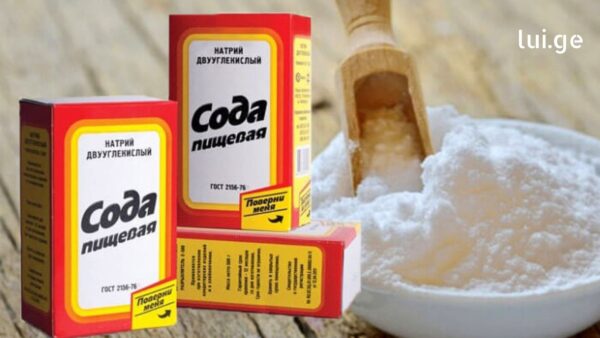
When it comes to skincare, nature often provides some of the simplest and most effective solutions. Among these natural remedies, baking soda (sodium bicarbonate) is one of the most versatile ingredients. It’s commonly known as a kitchen staple for baking and cleaning, but it also works wonders on the skin when used properly. Baking soda helps cleanse pores, balance skin pH, and gently exfoliate, making it an excellent component for homemade face masks.
In this guide, we will share three of the best baking soda masks for all skin types, including recipes, step-by-step instructions, and tips for achieving the best results. Whether you have oily, dry, or combination skin, there’s a mask here for you!
Why Use Baking Soda for Skincare?
Before diving into the recipes, let’s understand why baking soda is so effective:
Exfoliating Properties – Baking soda is a mild exfoliant that helps remove dead skin cells, dirt, and excess oil.
pH Balancing – It helps restore the natural pH balance of your skin, reducing the chances of breakouts.
Anti-inflammatory – Its soothing nature can calm irritation and redness.
Cleansing Action – Removes impurities and toxins, leaving skin refreshed and bright.
However, baking soda should be used in moderation, as overuse can make the skin too dry or irritated. Always follow with a good moisturizer.
Mask 1: Baking Soda Mask for Oily Skin
If you have oily or acne-prone skin, this mask is perfect for you. It cleanses the skin, removes excess oil, and leaves your face feeling fresh and smooth. The addition of lemon juice helps brighten the skin and tighten pores, while essential oils provide extra nourishment.
Ingredients:
3 tablespoons baking soda (30 g)
3 tablespoons mineral water (30 ml)
½ lemon juice
4 drops of olive oil, almond oil, or lavender essential oil
Preparation:
Pour the mineral water into a bowl.
Slowly add the baking soda while stirring continuously until you get a smooth paste.
Add the freshly squeezed lemon juice to the mixture.
Finally, add 4 drops of your chosen essential oil and mix well.
Application:
Wash your face with warm water to open up the pores and gently pat dry with a clean towel.
Apply the paste all over your face in circular motions, avoiding the delicate eye area.
If you feel a slight tingling sensation, don’t worry—it’s normal because of the lemon juice.
Leave the mask on for 20 minutes.
Rinse thoroughly with lukewarm water and pat dry.
Apply a light moisturizer to keep your skin hydrated.
Benefits:
Deep cleanses pores and removes excess oil.
Brightens the skin and reduces acne-causing bacteria.
Provides a fresh, matte finish without over-drying.
Pro Tip: Use this mask once a week for the best results. Avoid applying if you have open wounds or severe acne, as lemon juice may cause stinging.
Mask 2: Baking Soda Mask for Dry Skin
Dry skin needs extra care because it tends to lose moisture easily and often appears flaky or dull. This recipe replaces lemon with honey, which is a natural humectant that retains moisture and nourishes the skin deeply.
Ingredients:
3 tablespoons baking soda (30 g)
3 tablespoons mineral water (30 ml)
1 tablespoon honey (25 g)
4 drops of olive oil, almond oil, or lavender essential oil
Preparation:
In a clean bowl, add baking soda.
Gradually pour in the mineral water while stirring to form a smooth, lump-free paste.
Add the honey (preferably liquid honey for easier mixing).
Add the essential oil and mix well until the texture is creamy.
Application:
Start with a clean, slightly damp face.
Gently apply the mask in upward, circular motions.
Let it sit for 15 minutes. This allows honey to deeply hydrate and soothe the skin.
Rinse off with lukewarm water and pat dry with a soft towel.
Apply a nourishing moisturizer to lock in the hydration.
Benefits:
Provides deep hydration and prevents dryness.
Softens and smoothens rough patches.
Maintains natural elasticity and glow.
Pro Tip: This mask is ideal for sensitive skin too because honey calms irritation. Use once or twice a week for visible improvement.
Mask 3: Baking Soda and Chamomile Mask for All Skin Types
This is a universal mask suitable for all skin types. It combines baking soda with chamomile tea and oatmeal, both of which are known for their soothing and healing properties. Chamomile reduces inflammation, while oatmeal gently exfoliates and moisturizes. Honey adds extra nourishment.
Ingredients:
1 chamomile tea bag
½ cup water (125 ml)
2 tablespoons oatmeal (20 g)
1 tablespoon honey (25 g)
2 tablespoons baking soda (20 g)
Preparation:
Brew a chamomile tea as usual and let it steep for a few minutes.
While the tea is cooling, grind the oatmeal into a fine powder.
In a bowl, combine the oatmeal, baking soda, and honey.
Slowly add the chamomile tea to the mixture while stirring until you get a creamy paste. If the paste is too thin, add more baking soda.
Application:
Wash your face thoroughly and pat dry.
Apply the mask generously, focusing on oily areas like the nose, forehead, and chin.
Leave it on for 20 minutes to allow all the nutrients to penetrate the skin.
Rinse off with lukewarm water and finish with a moisturizer.
Benefits:
Reduces redness and irritation.
Improves skin tone and texture.
Provides a natural glow and freshness.
Pro Tip: Use this mask once a week for healthy, glowing skin. If you have sensitive skin, make sure the chamomile tea is well cooled before mixing.
Additional Tips for Using Baking Soda on Skin
Always do a patch test before applying any baking soda mask to your entire face to ensure you’re not allergic.
Do not use these masks daily. Once or twice a week is enough.
Follow every treatment with a moisturizer because baking soda can be slightly drying.
If you experience irritation or excessive dryness, discontinue use.
Conclusion
Baking soda masks are an easy, affordable, and effective way to improve your skin’s health. Whether your skin is oily, dry, or somewhere in between, these three recipes can help you achieve a fresh, radiant complexion without harsh chemicals. Just remember to use them in moderation and always listen to your skin’s needs.
So, next time you open your kitchen cabinet and see that box of baking soda, remember—it’s not just for baking cakes; it might just be the secret ingredient your skin has been waiting for!