










Having beautiful and healthy hair is something many of us dream about. We often invest in expensive products, treatments, and spend time following hair care routines that we believe are right. However, despite all our efforts, sometimes the results just don’t match our expectations. Why? Because even with the best intentions, we may be making small but critical mistakes that prevent us from achieving the results we want.
Understanding the root causes of hair issues is key to improving hair health. Below are 15 common hair care mistakes that you should avoid if you want to maintain shiny, strong, and healthy hair.
1. Using the Wrong Shampoo for Your Hair Type
One of the most frequent and overlooked mistakes is choosing a shampoo that does not match your hair type. For example, using a moisturizing shampoo on oily hair can leave it greasy and weighed down, while using a clarifying shampoo too often on dry or color-treated hair can strip it of essential oils and nutrients. It’s crucial to identify whether your hair is oily, dry, curly, color-treated, or damaged and select products accordingly. Always read the label and choose a formula that suits your hair’s current condition.
2. Washing Hair Too Frequently or Too Rarely
Washing your hair too often can strip it of its natural oils, leading to dryness and brittleness. On the other hand, washing it too rarely can result in product build-up, scalp irritation, and a dull appearance. The right frequency depends on your hair type, lifestyle, and climate. For instance, oily hair may need washing every other day, while dry hair may only require washing twice a week.
3. Applying Shampoo Incorrectly or Using Too Much
A common misconception is that more shampoo equals cleaner hair. In fact, using too much shampoo can damage your scalp and lead to overproduction of oil. Apply a small amount of shampoo, focus it on the scalp (where oil and dirt accumulate), and gently massage it with your fingertips. The ends of your hair will get cleaned when you rinse the shampoo out — there’s no need to apply product directly to them.
4. Neglecting Moisture and Nourishment
Hydration is essential for healthy hair. Skipping conditioner or not using nourishing masks regularly can make your hair dry, frizzy, and prone to breakage. Deep conditioning once a week, using leave-in conditioners, and applying oils or serums can help restore moisture balance and strengthen your strands.
5. Using Water That’s Too Hot
Washing hair with very hot water opens up the cuticles too much, causing moisture loss and color fading (in case of dyed hair). Instead, opt for lukewarm water to cleanse and cool water to rinse, which helps seal the cuticles and maintain shine.
6. Wrapping Hair Tightly in a Towel
Twisting wet hair tightly in a towel may feel like a convenient way to dry it, but it can actually damage hair follicles, lead to split ends, and cause hair breakage. Instead, gently pat your hair dry with a microfiber towel or an old cotton T-shirt. This method reduces friction and protects your hair’s structure.
7. Brushing Too Often or Too Aggressively
While brushing helps distribute natural oils, doing it too often or too harshly can lead to hair breakage, especially when hair is wet and more vulnerable. Use a wide-tooth comb or a brush specifically designed for detangling. Start from the ends and work your way up to avoid pulling and breaking strands.
8. Overusing Styling Tools (Straighteners, Curlers, etc.)
Heat styling tools, such as flat irons, curling wands, and blow dryers, can severely damage hair if used excessively or at high temperatures. Always apply a heat protectant spray before styling and try to limit usage to a few times a week. Let your hair air-dry whenever possible.
9. Improper Use of Hair Dryer
Holding the hair dryer too close to your scalp or using it on the highest heat setting can damage your hair and scalp. Keep the dryer at least 6–8 inches away and use a medium setting. Move the dryer continuously and avoid focusing on one area for too long.
10. Poor Nutrition and Extreme Dieting
Your hair’s health reflects your overall nutrition. A diet low in essential nutrients like protein, biotin, zinc, and omega-3 fatty acids can lead to hair loss, thinning, and dullness. Ensure your meals are rich in fruits, vegetables, whole grains, and lean proteins. Drinking enough water is also vital for maintaining hair hydration.
11. Ignoring Underlying Health Issues
Sometimes, hair problems stem from deeper health concerns such as thyroid disorders, hormonal imbalances, or iron deficiency. If you notice sudden or excessive hair loss, it’s important to consult a doctor and undergo necessary tests rather than just changing hair care products.
12. Not Wearing a Hat in Harsh Weather
Exposure to strong sun, wind, or freezing temperatures can severely affect your scalp and hair. In summer, UV rays can weaken hair structure, while in winter, dry air and cold can make it brittle. Wearing a hat protects your hair from environmental damage.
13. Not Cleaning Hair Brushes and Combs
Many people overlook the importance of cleaning their hair tools. Dirty brushes can harbor bacteria, oil, and product residue, which get transferred back to your clean hair. Make it a habit to wash your brushes and combs at least once a week with warm water and a mild shampoo.
14. Rarely or Never Trimming Hair Ends
Skipping regular trims is a major mistake, especially if you’re trying to grow your hair. Split ends travel upward and cause breakage, making your hair appear thinner and damaged. Trim your ends every 6–8 weeks to maintain healthy-looking hair.
15. Sleeping with Loose Hair (Especially for Long Hair)
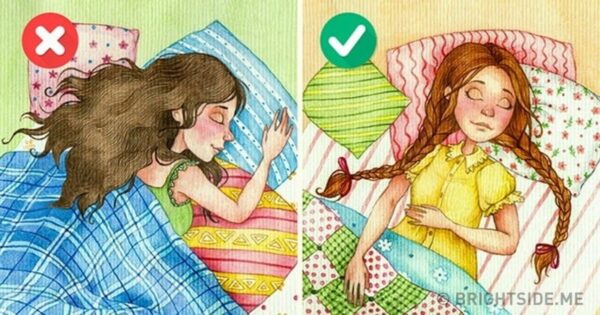
Long hair left loose while sleeping can tangle, break, and become frizzy. To avoid damage, loosely braid your hair or tie it in a low ponytail or bun. Using a silk or satin pillowcase can also reduce friction and protect your hair’s texture overnight.
Final Thoughts: Small Changes Make a Big Difference
You don’t need to spend a fortune on products to improve your hair health. Simply avoiding these 15 mistakes can lead to noticeable improvements. The key is consistency and awareness — listen to your hair, understand its needs, and make informed choices.
Your hair is an important part of your appearance and confidence. Treat it with care, give it the nourishment it deserves, and avoid habits that harm it. Over time, your efforts will pay off with stronger, shinier, and healthier hair.