







Birch tree soap is a natural antiseptic and anti-inflammatory product that is most commonly used for treating acne. Its powerful natural compounds help cleanse the skin, reduce bacterial growth, and soothe inflammation. While it is highly effective, care must be taken when applying it to the face, as it can be very drying. For this reason, it is usually recommended for problematic areas like the back and shoulders rather than delicate facial skin. Regular use on these larger body areas can improve skin clarity and reduce breakouts, making it a valuable part of a natural skincare routine.
Essential Oils
Essential oils are widely used in both cosmetic and therapeutic practices, and they complement natural soaps and other skincare treatments effectively. Among the most beneficial oils:
Tea Tree Oil: Renowned for its antibacterial and antifungal properties, tea tree oil is excellent for acne-prone skin. It helps reduce redness, swelling, and the formation of pimples. It can be used either diluted in a carrier oil or incorporated into soaps and facial cleansers.
Almond Oil: Particularly good for dry skin, almond oil provides deep nourishment and hydration, helping maintain skin softness without clogging pores.
Oils for Hair Care: Oily hair benefits from essential oils such as sage, lemon, tea tree, cypress, cedarwood, bergamot, melissa, eucalyptus, or pine. These oils stimulate the scalp, improve circulation, and strengthen hair roots. When applied as a scalp massage, these blends can enhance hair growth and reduce hair loss.
The essential oil mixtures are usually prepared according to specific recipes and applied exclusively to the scalp through a gentle aroma massage. This method ensures the oils penetrate the roots effectively without overwhelming the senses.
Pipettes and Syringes
Pipettes and syringes without needles are essential tools for precise application of oils and other liquid cosmetic preparations. Pipettes are particularly useful for applying oils under the eyes, on the nails, or in small localized areas. Syringes help mix and measure essential oils, carrier oils, and other liquids accurately, ensuring proper dosage and avoiding wastage.
Bepanthen
Bepanthen is a multi-purpose skincare product that includes soap and ointment formulations. It is widely recognized for its ability to heal and protect the skin from various infections. Its active components support skin regeneration, making it beneficial for minor cuts, abrasions, and irritations. Bepanthen is gentle enough for sensitive skin yet effective for promoting skin health.
EMLA Cream
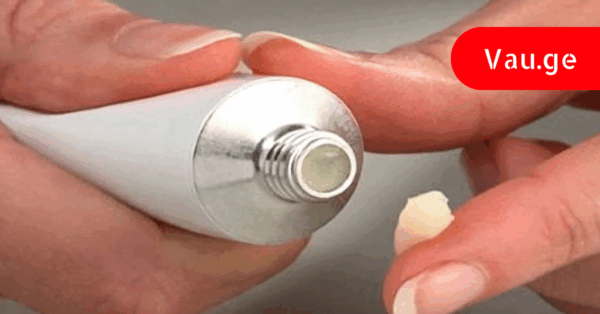
EMLA is a topical anesthetic cream used for numbing the skin before procedures such as hair removal, minor dermatological treatments, or injections. The cream contains lidocaine and prilocaine, which are amide-type local anesthetics. These compounds penetrate the epidermis and dermis layers to provide effective local anesthesia. The quality of numbing depends on the dosage applied and the duration of exposure. EMLA allows procedures to be performed with minimal discomfort, making it a valuable tool in both medical and cosmetic practices.
Clay
Various types of cosmetic clays are widely used in skin care for both the face and body. Blue clay, for example, is known for its brightening effects and ability to firm the skin. Clay masks draw out impurities, absorb excess oils, and can improve skin texture and tone. Depending on the type of clay, they may also have soothing, detoxifying, or moisturizing properties. Regular use of clay masks can leave skin feeling refreshed and revitalized.
Herbal Preparations
Herbal preparations offer a natural approach to beauty and wellness. For example, herbal tea infusions can be used to make “cosmetic ice cubes” for facial application. These ice cubes help tighten pores, reduce puffiness, and provide a refreshing sensation. Common herbs for such preparations include chamomile, green tea, mint, and calendula. Applying these herbal cubes regularly can improve skin tone and support healthy skin metabolism.
Mumijo
Mumijo, a natural mineral resin, is often added to shampoos to help combat hair loss. It strengthens and nourishes hair roots, promoting healthier hair growth. When using mumijo for hair care, it is typically applied directly to the scalp. Nicotinic acid, which is frequently included in mumijo ampoules, is particularly beneficial for stimulating hair growth. The product should be massaged gently into the scalp and left without rinsing for optimal absorption. It is recommended to avoid VIAL-manufactured mumijo products due to their strong odor.
Burdock Oil
Burdock oil is another natural product widely used for hair care, usually applied as a hair mask. After applying, it should always be washed out with shampoo to remove excess oil. Burdock oil nourishes hair follicles, strengthens hair strands, and promotes a healthy scalp. Regular use can reduce hair breakage and improve overall hair texture. Combining burdock oil with essential oils like rosemary or cedar can further enhance its benefits.
Spirulina Tablets
Spirulina is a blue-green algae that contains a wealth of nutrients, including proteins, vitamins, minerals, and antioxidants. One gram of spirulina is roughly equivalent to one kilogram of vegetables in terms of nutrient content. Spirulina is particularly beneficial for hair health. It supports hair growth, improves scalp circulation, and helps maintain strong hair follicles. Spirulina tablets can be consumed as a dietary supplement, ensuring the body receives concentrated nutrition that supports skin, hair, and overall wellness.
Summary
Incorporating natural and inexpensive products like birch tree soap, essential oils, herbal preparations, clay, mumijo, burdock oil, and spirulina into your daily beauty and wellness routine can provide multiple benefits. These products not only improve the appearance and health of the skin and hair but also offer preventive and restorative care. They can reduce inflammation, stimulate hair growth, protect the skin from infections, hydrate and nourish, and enhance overall wellness.
From topical treatments such as clay masks and essential oil scalp massages to dietary supplements like spirulina, each product plays a unique role in supporting both cosmetic and health goals. Proper and consistent use, combined with awareness of potential side effects and appropriate application methods, ensures the best results. Together, these products form a natural and holistic approach to maintaining healthy skin and hair.