















10 Harmful Habits That Damage Your Kidneys and How to Protect Them
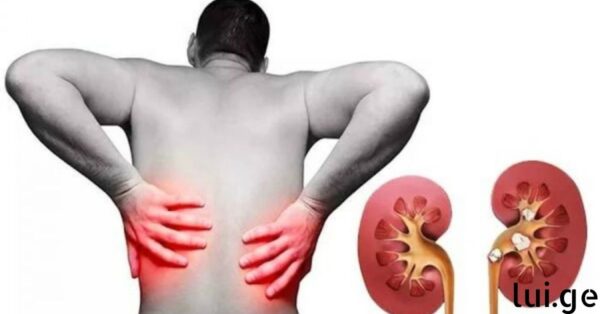
The kidneys are essential organs that play a critical role in maintaining overall health. They filter blood, remove waste products, balance electrolytes, regulate blood pressure, and support other vital bodily functions. Despite their importance, many people unknowingly harm their kidneys through daily lifestyle choices. By understanding the harmful habits that stress these organs, you can take proactive steps to protect them and promote long-term kidney health.
Below, we detail ten common habits that negatively affect kidney function and provide practical guidance on how to mitigate their impact.
1. Excessive Alcohol Consumption and Smoking
One of the most damaging habits for the kidneys is overconsumption of alcohol. Studies have shown that chronic alcohol intake can cause inflammation, increase oxidative stress, and directly harm kidney tissue. Alcohol also places additional strain on the liver and cardiovascular system, compounding the burden on the kidneys.
Smoking is equally harmful. The toxins in tobacco can damage blood vessels, reducing blood flow to the kidneys and impairing their filtering capacity. Chronic smoking is associated with an increased risk of chronic kidney disease (CKD).
Practical advice:
Limit alcohol intake to moderate levels or abstain completely.
Avoid smoking and exposure to secondhand smoke.
Consider regular kidney function tests if you have a history of alcohol or tobacco use.
2. Insufficient Sleep
The kidneys rely on restorative sleep at night to repair tissues and maintain optimal function. Sleep deprivation disrupts these regenerative processes, which can lead to decreased kidney performance over time. Lack of sleep also impacts overall energy levels, mental clarity, and physical performance.
Tips for improvement:
Aim for 7–9 hours of quality sleep per night.
Maintain a consistent sleep schedule, even on weekends.
Create a relaxing pre-sleep routine, avoiding screens and stimulants before bed.
3. Excessive Caffeine Intake
While moderate caffeine consumption can be safe for most people, excessive caffeine, particularly from coffee and energy drinks, can negatively affect kidney function. Caffeine acts as a diuretic, increasing fluid loss, which can strain the kidneys if hydration is inadequate. Over time, this may contribute to kidney stones and other complications.
Recommendations:
Limit coffee and caffeinated beverages to 1–2 cups per day.
Substitute with herbal teas or naturally caffeine-free drinks when possible.
4. Sedentary Lifestyle
A sedentary lifestyle, common in office work or prolonged sitting, reduces blood circulation and metabolic activity, which are crucial for kidney health. Poor circulation can limit oxygen and nutrient delivery to the kidneys, affecting their function.
Suggestions for activity:
Incorporate short walks, stretching, or light exercises during work hours.
Aim for 150 minutes of moderate physical activity per week.
Include resistance training or yoga to improve circulation and overall kidney support.
5. Vitamin B6 Deficiency
Vitamin B6 is essential for kidney health, energy metabolism, and neurological function. Deficiency can impair kidney function and overall metabolic balance. Foods rich in vitamin B6 include:
Fish (salmon, tuna)
Poultry (chicken, turkey)
Potatoes
Fruits such as bananas and avocados
Practical advice:
Ensure a balanced diet with adequate vitamin B6 intake.
Consider supplementation only if recommended by a healthcare professional.
6. Holding Urine for Too Long
Regularly ignoring the urge to urinate can harm the urinary system and, over time, stress the kidneys. Delayed urination increases pressure in the bladder, which may lead to urinary tract infections, kidney infections, or even kidney dysfunction in severe cases.
Tips:
Respond promptly to the body’s signals to urinate.
Avoid holding urine for extended periods, especially daily.
7. Excess Sodium Consumption
High sodium intake is a leading cause of kidney strain. Sodium increases blood pressure and forces the kidneys to work harder to filter excess salts from the blood. Chronic high salt consumption can accelerate kidney damage and elevate the risk of hypertension.
Recommendations:
Limit daily salt intake to less than 2,300 mg, or about one teaspoon.
Reduce processed foods, canned goods, and fast foods, which are typically high in sodium.
Use herbs and spices instead of salt to enhance flavor.
8. Improper or Extreme Diets
Extreme diets that eliminate essential nutrients or emphasize rapid weight loss can inadvertently harm the kidneys. Lack of adequate vitamins, minerals, and fiber disrupts metabolic balance, leading to additional stress on the kidneys and other organs.
Healthy approach:
Follow a balanced diet with a mix of vegetables, fruits, lean proteins, and whole grains.
Avoid fad diets promising rapid results without considering nutritional adequacy.
Consult a dietitian when making significant dietary changes.
9. Excess Protein Intake
While proteins are essential for health, excessive protein consumption can burden the kidneys, especially if they already face underlying conditions. Unlike fats, the body cannot store protein, so surplus protein is metabolized and excreted, placing added pressure on kidney filtration. Over time, this can contribute to kidney stones and impaired function.
Guidelines:
Consume moderate amounts of protein, tailored to your weight, activity level, and health status.
Prioritize lean protein sources such as fish, poultry, legumes, and dairy in balanced portions.
10. Inadequate Water Intake
Proper hydration is crucial for kidney function. Water supports filtration, toxin removal, and urinary tract health. Dehydration can concentrate waste products, increase the risk of kidney stones, and strain the kidneys.
Practical advice:
Calculate your daily water needs based on body weight, activity level, and climate.
Aim to drink consistently throughout the day rather than in large quantities at once.
Include water-rich foods such as cucumbers, watermelon, and celery.
Additional Tips for Kidney Health
Beyond avoiding harmful habits, maintaining kidney health involves positive daily practices:
Regular Check-ups: Schedule routine blood and urine tests to monitor kidney function.
Balanced Diet: Emphasize fresh fruits, vegetables, and whole grains. Limit processed foods, sugar, and excessive fats.
Maintain Healthy Blood Pressure: High blood pressure strains the kidneys, so monitor and manage it effectively.
Exercise: Moderate activity enhances circulation, metabolism, and kidney efficiency.
Manage Stress: Chronic stress affects blood pressure and kidney function, so incorporate relaxation practices such as meditation or yoga.
Conclusion
The kidneys are remarkable organs that sustain life, yet many daily habits unknowingly compromise their health. From excessive alcohol and smoking to poor hydration and high sodium intake, these ten harmful behaviors can progressively impair kidney function and overall wellness.
By becoming aware of these habits, making conscious lifestyle adjustments, and prioritizing hydration, nutrition, and physical activity, you can protect your kidneys, enhance overall health, and prevent long-term complications. Small, consistent steps today can lead to significant benefits tomorrow, ensuring your kidneys continue to function optimally for years to come.








































